USA

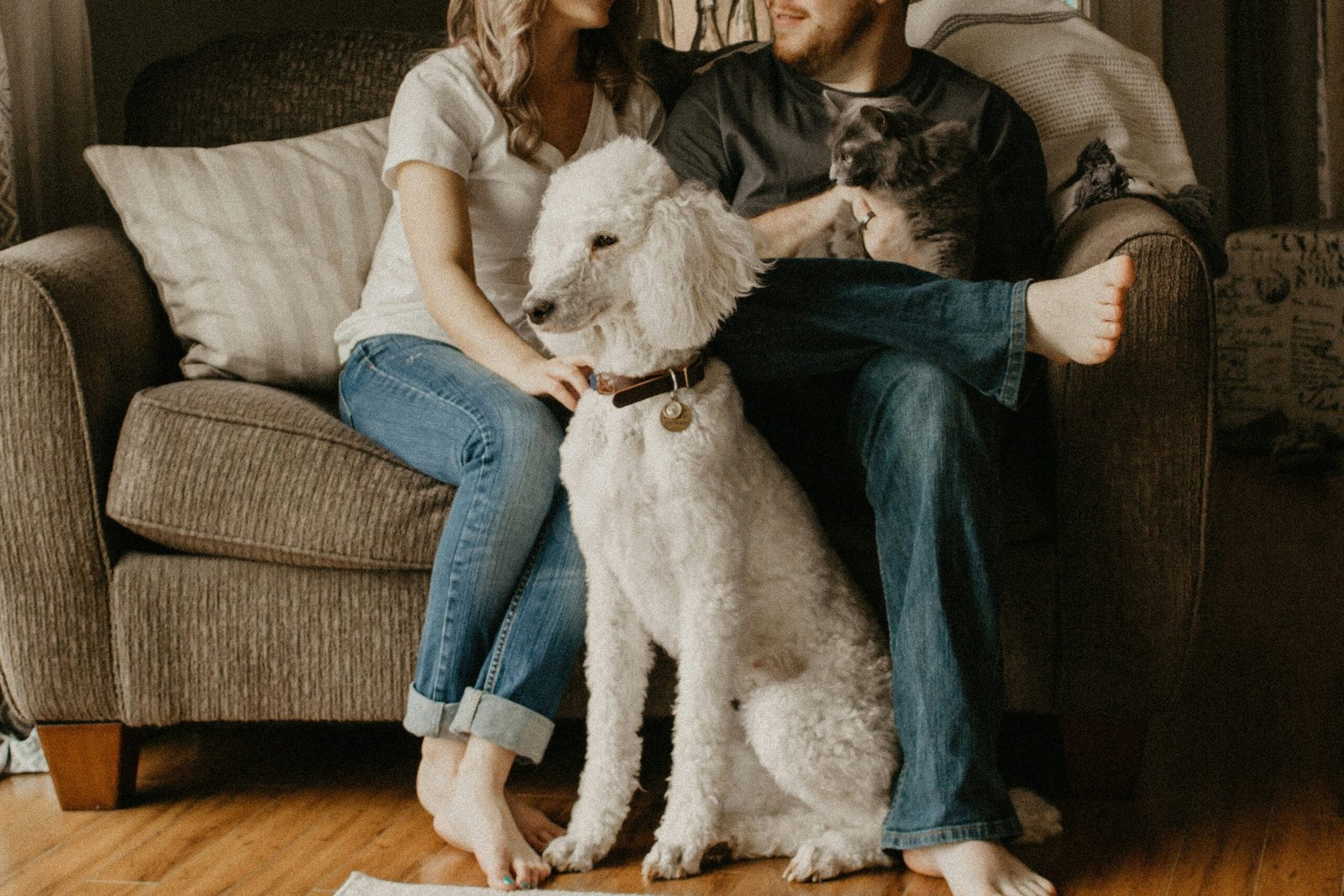
he contemporary home is undergoing a structural shift. Not driven by technology or architectural theory, but by a demographic force that now defines the modern household: pets. Their unprecedented presence—and the economic weight behind it—is reshaping how we select materials, engineer surfaces, and design spatial flows. Interior design is no longer human‑centric; it is ecosystem‑centric.
1. Demographics That Redraw the Home
The scale of pet ownership in the United States is no longer anecdotal—it is infrastructural.
- 94 million U.S. households own at least one pet, according to the American Pet Products Association (APPA) National Pet Owners Survey.
- This represents 71% of all U.S. households .
- Dog ownership increased to 68 million households, up from 65.1 million in the previous survey.
- Cat ownership rose to 49 million households, up from 46.5 million.
These numbers illustrate a cultural shift: pets are not accessories—they are co‑residents whose needs influence material selection and spatial planning.
2. Economic Forces Reshaping Design Priorities
The pet economy is expanding faster than many traditional consumer sectors.
- APPA reports that pet ownership has expanded from 82 million households in 2023 to 94 million in 2025.
- Younger generations are accelerating this trend: Gen Z is “driving a remarkable shift in pet ownership” and leads in multi‑pet households.
This demographic pressure translates into economic behavior that directly impacts interior design:
- Pet owners continue to increase spending despite economic pressures, according to APPA’s 2024 Dog and Cat Owner Insight Report.
- The report highlights a “demonstrated shift” toward prioritizing health, quality time, and long‑term care for pets.
The implication is clear: durability, sustainability, and performance materials are no longer optional—they are required.
3. Materials That Respond to Real Life
Pets introduce friction, moisture, abrasion, and unpredictability into the home environment. The industry has responded with technical sophistication.
Flooring
Designers now prioritize materials engineered for resilience:
- Luxury Vinyl Tile (LVT) for scratch resistance and dimensional stability.
- Matte porcelain tile for low porosity and longevity.
- Engineered hardwood with protective coatings to reduce claw marks.
- Microcement for seamless continuity and mechanical resistance.
These choices reflect the reality of 94 million pet‑owning households that require surfaces capable of withstanding constant wear.
Upholstery
Textile innovation has accelerated in response to pet‑centric living:
- Performance fabrics with liquid‑repellent molecular treatments.
- High‑density microfiber that resists odors and absorption.
- Technical vegan leather with superior abrasion resistance.
- Certified textiles (e.g., OEKO‑TEX) that eliminate harmful chemicals for both humans and animals.
APPA’s 2024 report notes a significant rise in pet wellness products and owner investment in quality-of-life improvements—a trend mirrored in textile demand.
4. Architecture That Integrates, Not Adapts
The most profound shift is architectural, not decorative. Homes are now designed with pets as legitimate users of the space.
Emerging features include:
- Built‑in feeding stations.
- Mudrooms with pet‑washing zones.
- Modular furniture with integrated rest areas.
- Cat‑friendly vertical circulation (ramps, shelves, bridges).
- Concealed storage for food, toys, and accessories.
These solutions reflect the behavioral data: pet owners “continue to spend on their pets” and adjust their lifestyles accordingly.
5. A Shared Aesthetic of Well‑Being
The humanization of pets—reinforced by APPA’s findings on increased spending and emotional bonding—has produced a new aesthetic vocabulary:
- Neutral palettes that conceal shedding.
- Organic textures that promote calm.
- Continuous surfaces that simplify cleaning.
- Soft minimalism that supports both human and animal comfort.
This is not a trend; it is a design philosophy rooted in emotional and functional intelligence.
6. Five‑Year Outlook: Toward a Fully Pet‑Centric Home
Based on the demographic and economic data:
- Pet ownership will continue expanding, driven by Gen Z and Millennials.
- Spending will remain resilient despite economic pressures.
- Demand for performance materials will intensify.
- Architecture will increasingly integrate pet‑centric features from the blueprint stage.
- The home will evolve into a shared habitat, engineered for durability, wellness, and coexistence.
The pet revolution is not a lifestyle trend—it is a structural transformation of domestic life. With 94 million U.S. households living with pets and spending rising across all categories, interior design must evolve toward materials, systems, and aesthetics that support a multi‑species home.
This is the new frontier of design: technical, intentional, and deeply human.